


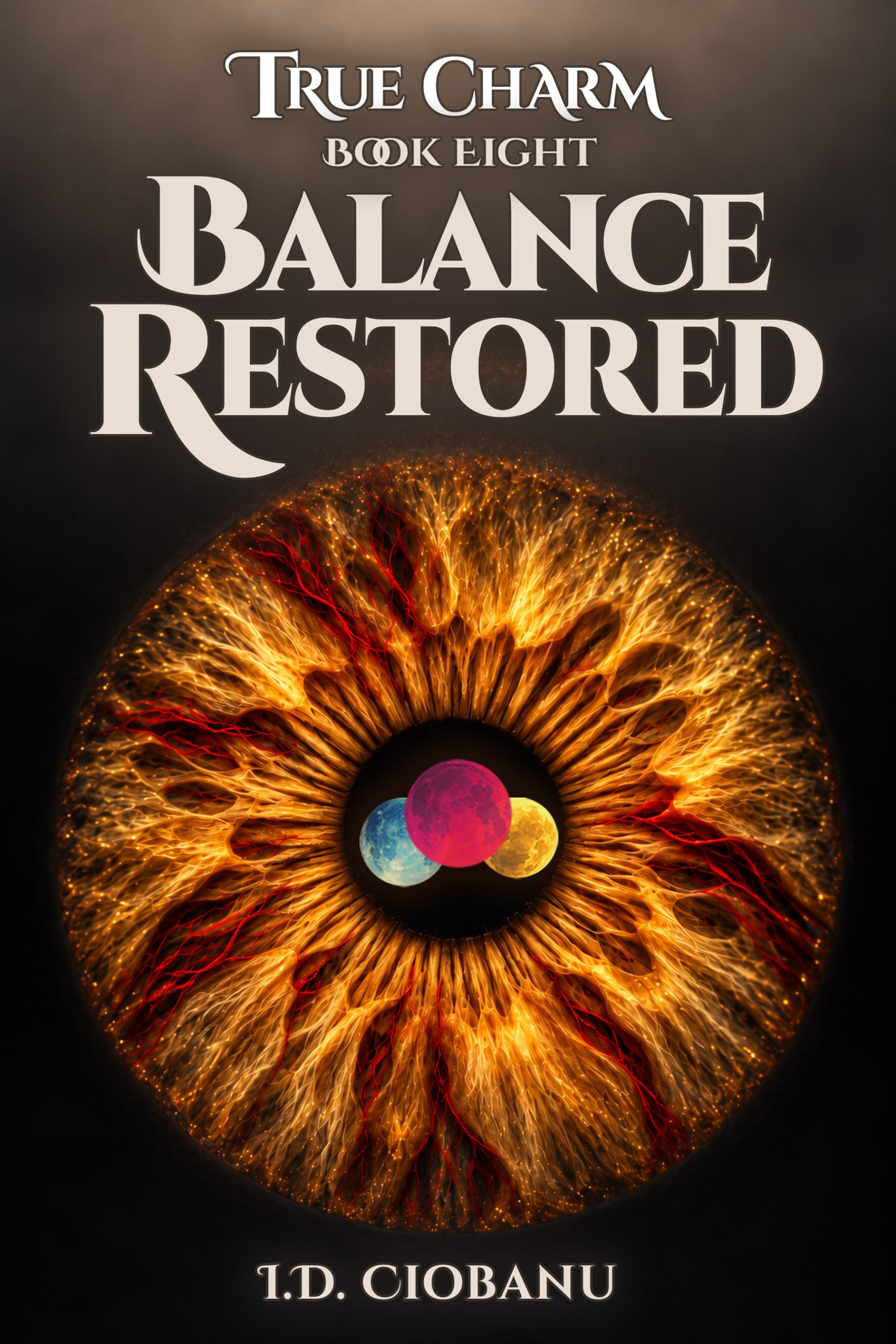
Balance Restored
The future they choose
After so many discoveries and difficult decisions, Balance Restored turns towards a question that has been waiting beneath the entire First Crossing: what does it mean to make a lasting place for something extraordinary in an ordinary world? What began in Romanian folklore has travelled into the concerns of researchers, public officials and institutions whose choices cannot be separated from the lives of the people they serve.
The concluding movement considers the weight of what has been learned without imagining that knowledge alone can settle everything. A sacred inheritance may be studied, but it also belongs to memory and community; a government may make decisions, but those decisions must somehow become part of the life of a country. This larger political and cultural reckoning is inseparable from the quieter courage required of individuals who must find their way forward in changed circumstances.
And there is still room, happily, for the things that have made this Romania worth inhabiting across eight books: music, faith, generous tables, humour and the enduring attractions of other people. The title promises balance, not the absence of differences or the end of every question. It is a generous way to approach the conclusion of The First Crossing, allowing its great themes to return to human scale while the broader True Charm saga remains open to the future.
The meaning of finding a balance
It is fitting that Balance Restored returns to a question quietly present from the beginning: how can something preserved for generations become part of a changed world without losing its meaning? By this point, folklore has met science, private knowledge has entered public life, and the institutions asked to respond have discovered that even sound decisions carry consequences. The final movement is interested not only in what can be proved, but in the kind of future that proof makes possible.
That brings the great public questions back into the company of ordinary pleasures. A country is more than its government, just as an inheritance is more than a body of evidence. Music, celebration, faith, affection and the routines of daily life all have a place in what people hope to protect. The novel’s sense of renewal comes from allowing those things to matter alongside the geopolitical reckoning. It offers the prospect of a lasting balance without pretending that every difference must disappear, and leaves the continuing saga with lives still worth following.