

Imagine a household in which the candles have burnt low after a funeral. The neighbours have gone home, but a second illness follows the first death, an animal weakens without explanation, and a familiar face returns in an uneasy dream. In stories collected from Romanian villages, such disturbances could give an old name to fear: strigoi.
The word does not designate one neat creature. Across regions and generations it has described living people whose souls were believed to wander at night, the dead who were thought to return among their relatives, and presences blamed for misfortune at the edges of ordinary life. An accusation might gather around a troubled death, but it could also fall upon someone still living. The village was not simply frightened of a monster outside its walls. It feared a disturbance within its own web of kinship, livestock, work, sickness and remembrance.
These are accounts of belief and customary practice, not evidence that supernatural beings existed. Their power as folklore comes from the questions they carry: What does a community do when suffering seems to have no visible cause? What is owed to the dead? And when does the wish to protect a household become a danger to someone else?
Two kinds of strigoi
Ethnographic writers distinguish, with many local variations, between strigoi vii and strigoi morți. The first were living people suspected of possessing dangerous powers. Some tales imagined their souls leaving their bodies during sleep and gathering at crossroads or other liminal places. Signs at birth, including being born with a caul, could be read as ominous. Such details reveal a community’s habits of interpretation; they do not make the people described any less human.
The strigoi morți were the restless dead. Their return might be associated with an unfinished passage from life, a troubling death, disturbed funeral observances or anxiety within the surviving family. Stories speak of visits at night, strength drained from people or livestock, illnesses within a household and the feeling that a grave had not brought peace. The related name moroi appears in many accounts, but its meaning is not consistent from village to village. Sometimes it overlaps with strigoi; elsewhere it names a more particular kind of returning spirit.
There is no single Romanian rulebook for these beings. Reports from Oaș, Zarand, Oltenia and other regions reveal a tradition made through local storytelling, with differences in names, signs, motives and remedies. A strigoi could express dread of the dead, distrust of the living, or the more intimate anguish of an unresolved family loss. What endured was the fear that the boundary between one life and another had become uncertain.
The nights when households guarded their doors
Saint Andrew’s Eve, the night of 29–30 November, occupies a particularly vivid place in Romanian customary belief. Scholarly accounts bring together stories of restless spirits, wolves, marriage divination and the protection of homes and animals. Some traditions also associate wandering strigoi with Saint George’s season in April. These calendar nights were remembered as moments when familiar boundaries seemed easier to cross.
Garlic, an everyday kitchen plant, carried another meaning in these customs. It might be placed at thresholds or used symbolically to guard people, stables and doorways. Incantations, aromatic plants, prayers and other household acts formed a wider language of protection, often remembered alongside ordinary agricultural concerns. The same village that feared a night visitor also feared a failed crop, illness in a child or milk lost from the herd.
Christian observance and folk practice could meet in a single household without being the same thing. A priest’s funeral prayers, the use of incense or holy water, and a family’s customary protections had different religious standing, even when remembered together. The practices described by ethnographers belong to particular places and periods; they should not be mistaken for a uniform rite followed by all Romanians, nor for an official teaching of the Orthodox Church.
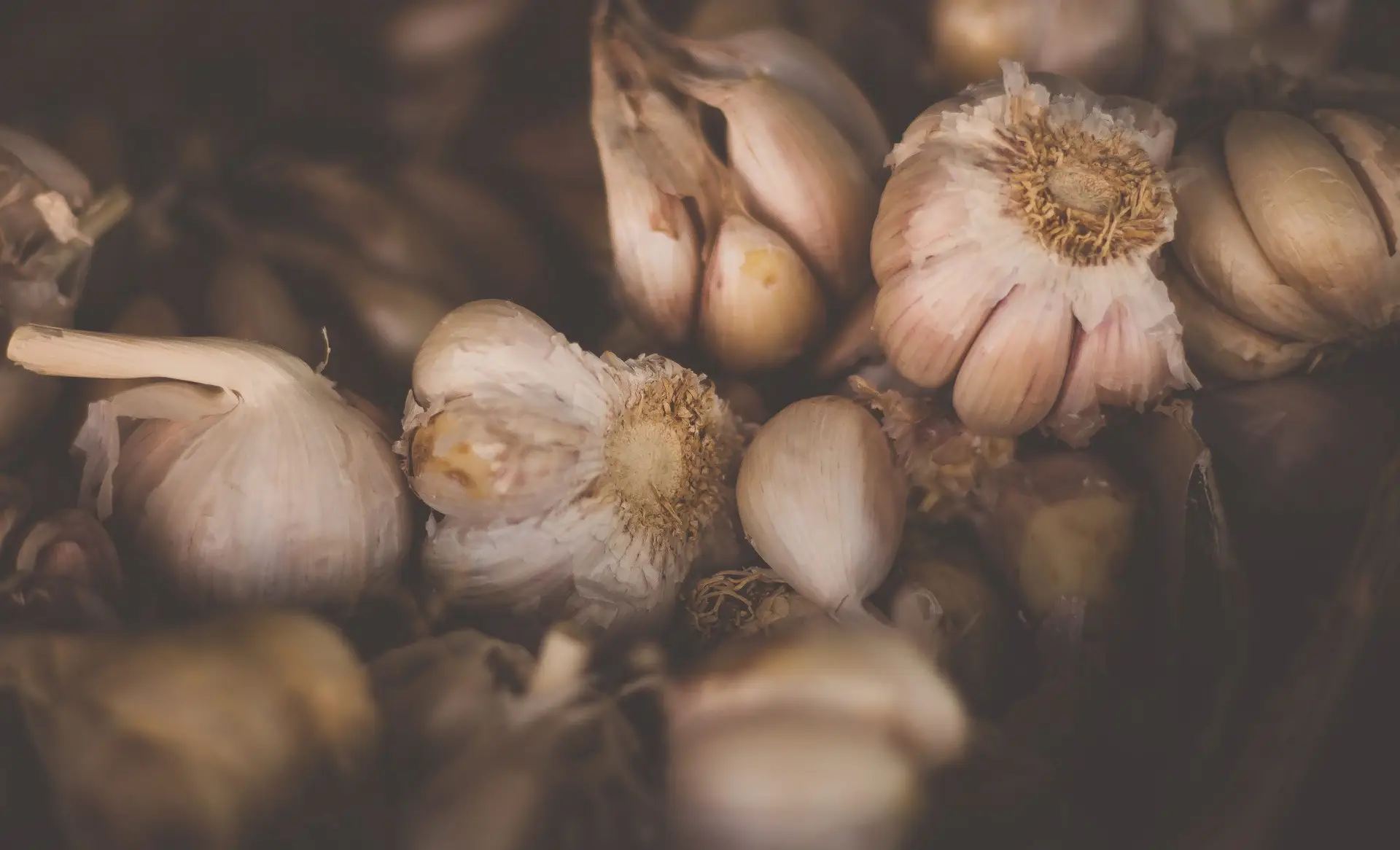
Fresh garlic from Tecuci, in Romanian Moldova. An everyday household plant with a place in traditional protections.
Photograph: Anton Darius (Sollers), 2016 · CC0 1.0 · Wikimedia Commons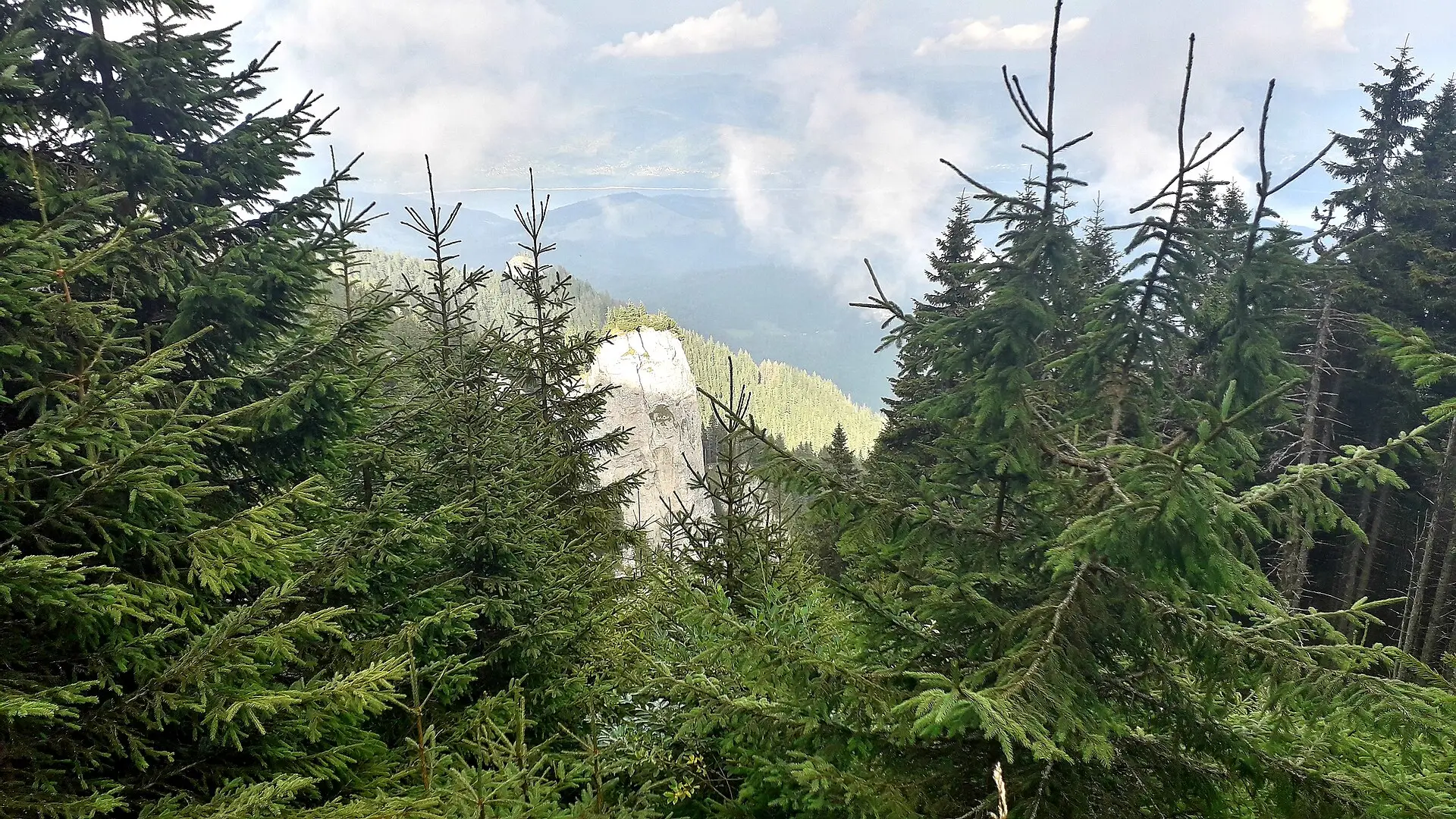
Fir woodland in Ceahlău National Park, Neamț County, a Romanian mountain landscape of paths and forest.
Photograph: Feranza · CC BY-SA 4.0 · Wikimedia CommonsWhen grief became a story of return
A death did not always settle a village’s fears. If further misfortune followed, stories could form around the deceased: a restless presence, a troubling dream, a sickness that appeared to move through a family. Field researchers in Zarand recorded recollections in which such returns disrupted the peace of the whole community. Research in Oaș also suggests that revenant stories helped express expectations about family obligations, conduct and social order.
Historical and ethnographic sources document protective objects placed around the dead and, in some cases, the disturbing of graves when a person was suspected of returning. These were responses to fear, not proof that the accusation was true. The acts could injure the dignity of the deceased and those left behind; they belong in a careful account of the past, not as practical advice. Religious authorities did not simply endorse every folk response, and household tradition should not be confused with Orthodox doctrine.
There is tenderness as well as terror in some accounts of the returning dead. A remembered figure might be feared, missed, or imagined as still reaching towards family. Stories of the strigoi therefore tell us something about bereavement, reputation and the vulnerability of small communities. They preserve the difficult moment when the living struggle to decide whether the dead are at peace, and whether they themselves can be.
How the strigoi differs from the modern vampire
The familiar fictional vampire has gathered a distinctive appearance and set of habits through novels, theatre and cinema. Romanian strigoi traditions are older, more varied and much less tidy. A strigoi was not necessarily an elegant corpse drinking blood. The name could refer to a living suspected spell-worker, a wandering soul, a troubling dead relative or a presence blamed for harm to animals and crops.
Romanian storytelling also preserves other uncanny figures. Moroi may overlap with strigoi, while vârcolaci appear in traditions that include wolves, changing forms and threats to the Moon. Their meanings have shifted across regions and written accounts; treating them as interchangeable species conceals the richness of the folklore. Later vampire fiction selected, combined and transformed motifs for its own imaginative purposes.
That history invites a more interesting encounter with the strigoi. Instead of looking only for the ancestor of Dracula, we can listen for the Romanian village speaking about the dead, the fragile household, the winter threshold and the obligations that outlast a funeral. The stories belong to people trying to make sense of their world, and to the long cultural memory of the fears they shared.
In the saga
In True Charm, this inheritance of village belief lends weight to an early encounter in a cemetery. Mama Vangelina and her family inhabit a world in which old words, protective knowledge and spiritual responsibility have not been forgotten. The novel draws on the atmosphere and language of strigoi tradition, then gives its own fictional reality to an extraordinary event.
The saga’s Gift, its ritual workings and the fate of its characters are inventions of the narrative. The historical record offers customs, stories and fears; the novel asks what might happen if an encounter long described in such stories became undeniable to those who witnessed it. This introduction deliberately leaves the outcome for readers to discover in Awakening.
Sources and further reading
- Romulus Antonescu, Dicționar de simboluri și credințe tradiționale românești, entry “Strigoi”, CIMEC digital edition.
- Eleonora Sava (2011), “Représentations des revenants dans la culture traditionnelle roumaine”, Caietele Echinox 21, pp. 134–146, article record.
- Andrei Flavius Petruț (2020), “Povești despre strigoi”, Anuarul Muzeului Etnografic al Transilvaniei, pp. 187–196, article record.
- Mariana Cocieru (2025), “Demonologie şi terapie populară: prezenţa strigoilor în descântecele tradiţionale româneşti”, pp. 187–202, institutional repository.
- Maria Ryzhova (2023), “Saint Andrew’s Day in Romania: Ecclesiastical, Folk and Civil Calendars”, Kunstkamera 1(19), pp. 218–229, DOI.
- Iustinian David (2024), “Obiceiuri de Sfântul Andrei la români şi germani”, Anuarul Muzeului Etnografic al Moldovei 24, pp. 227–240, article record.
- Anca Simina Martin (2023), “The Trope of the Vampire (and Strigoi) in Romanian Culture and Cultural Products Imported to Romania (1839–1947)”, Transilvania, journal issue.